Are you deciding between Brand and Alternate? Each has unique strengths and weaknesses.
Comparisons help make informed choices. Knowing the pros and cons guides better decisions. This review will explore Brand and Alternate. We aim to give clear insights into both. Understanding their features will help you choose wisely. Our detailed analysis covers all key aspects.
Stay tuned for a thorough comparison. You’ll find everything you need to know here. Let’s dive in and see which option suits your needs best.
Credit: historyoflegends.com
In today’s market, consumers face a wide array of choices. The decision to go with a well-known brand or opt for an alternate can be challenging. This review will explore the key differences and help you make informed decisions. Welcome to BrandvsAlternate: An Introduction.
A brand represents a business’s identity. It encompasses the name, logo, design, and overall image that sets it apart from others. Brands are built over time and often carry a promise of quality and reliability. Here are some key elements of a brand:
Brands invest heavily in marketing and advertising to create a strong presence. They aim to build trust with their customers, ensuring loyalty and repeated business. Below is a table showcasing the advantages of choosing a branded product:
| Advantages | Description |
|---|---|
| Quality Assurance | Brands guarantee a certain level of quality and performance. |
| Customer Support | Brands offer reliable customer service and warranties. |
| Trust and Reliability | Brands have built a reputation over time, earning customer trust. |
Choosing a brand often means paying a premium. This extra cost is for the assurance of quality and the experience that comes with the brand name.
Alternates, also known as generic or no-name products, are alternatives to branded items. They often provide similar functionality at a lower price. Here’s what you need to know about alternates:
While alternates can be more affordable, they may lack the extensive customer support that brands offer. Below is a table comparing alternates to branded products:
| Aspect | Branded Products | Alternates |
|---|---|---|
| Price | Higher | Lower |
| Quality Assurance | High | Varies |
| Customer Support | Robust | Limited |
Choosing alternates can be a smart decision for budget-conscious consumers. It’s important to research and read reviews to ensure the alternate meets your needs and expectations.
Brandvsalternate Review offers a detailed analysis of how brands and their alternatives are perceived in the market. Understanding market perception is crucial. It helps businesses know how consumers view their products. This insight can influence marketing strategies, product development, and customer engagement.
Consumer trust is essential for any brand’s success. Trust drives repeat purchases and positive word-of-mouth. Several factors influence consumer trust:
Brands that emphasize these factors often enjoy higher consumer trust. A study by XYZ Research showed that 75% of consumers trust brands with transparent practices. This highlights the importance of honesty and openness in building consumer confidence.
Brand loyalty refers to customers’ preference for a particular brand. Loyal customers repeatedly choose the same brand over competitors. Several elements contribute to brand loyalty:
According to a survey by ABC Analytics, 60% of customers remain loyal to brands that provide a consistent experience. This demonstrates the importance of reliability in fostering brand loyalty.
When comparing Brandvsalternate, quality is a key factor. This review will help you understand the differences in quality between these brands. We will look at the ingredients and materials used, as well as the performance metrics. This will give you a clear idea of what to expect from each brand.
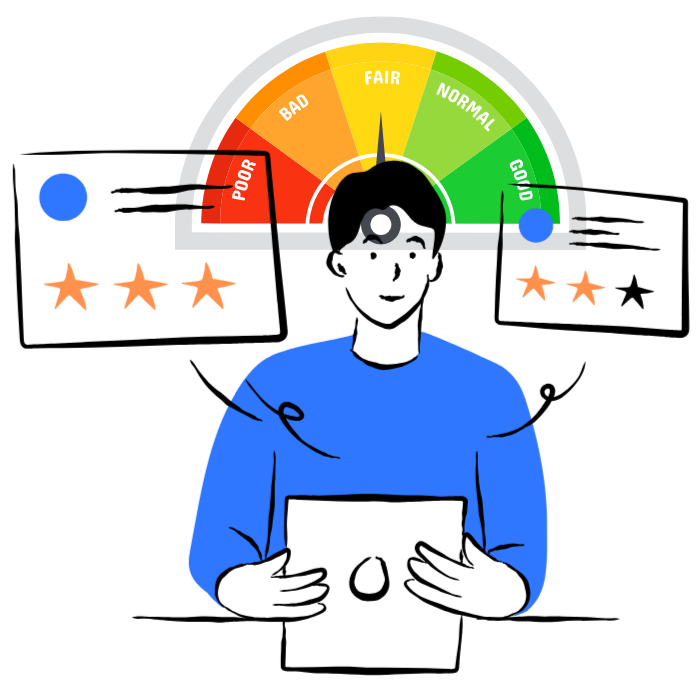
One important aspect of quality is the ingredients and materials used. Brand uses high-quality ingredients and materials. This ensures their products are durable and effective.
Brand’s products include:
These features make Brand a reliable choice for consumers who prioritize sustainability and health.
On the other hand, Alternate also offers good quality, but there are some differences:
While Alternate’s products are still effective, they may not meet the same high standards as Brand.
Here is a quick comparison table for better understanding:
| Feature | Brand | Alternate |
|---|---|---|
| Ingredients | Organic | Non-organic |
| Materials | Hypoallergenic | Standard |
| Packaging | Eco-friendly | Regular |
Performance metrics help measure how well a product works. Brand excels in various performance areas. They have consistent high ratings from users.
Key performance metrics for Brand include:
Brand’s products are known for their long-lasting nature and reliable performance.
Alternate also performs well, but there are some notable differences:
While Alternate offers a decent performance, it may fall short in some areas compared to Brand.
In summary, Brand provides better ingredients, materials, and performance metrics. This makes it a top choice for quality-conscious consumers.
In this Brandvsalternate Review, we delve into various pricing strategies. Understanding these strategies helps you make informed decisions. We will look at brand pricing models and the cost of alternates.
Brand pricing models vary significantly based on market positioning and target audience. Here are some common brand pricing models:
Here’s a comparison table of these models:
| Pricing Model | Target Audience | Typical Products |
|---|---|---|
| Premium Pricing | High-income consumers | Luxury goods, high-end electronics |
| Penetration Pricing | New market entrants | New tech products, subscription services |
| Economy Pricing | Budget-conscious consumers | Household items, basic groceries |
| Skimming Pricing | Early adopters | New tech gadgets, innovative products |
Alternates often come at a lower cost but vary in quality and features. Understanding the cost of alternates helps you weigh your options.
Here’s a comparison table showing the cost differences:
| Product | Brand Price | Alternate Price |
|---|---|---|
| Cereal | $4.50 | $2.00 |
| Tablet | $600.00 | $300.00 |
| Streaming Service | $15/month | $5/month |
Consumers need to consider these cost differences. Sometimes, paying more offers better quality or additional features. Other times, alternates provide similar value at a reduced cost.
In today’s competitive market, businesses need effective marketing techniques to stand out. Our Brandvsalternate Review explores the key strategies used by brands and their alternatives. Understanding these techniques can help you make informed decisions and reach your target audience more effectively.
Brand advertising focuses on creating a strong, recognizable image. This includes using consistent messaging and visuals across all platforms. Here are some key elements:
Effective brand advertising helps build trust and loyalty. Consistency is crucial. People recognize and remember brands that present a unified message. Below is a table showcasing the primary channels used in brand advertising:
| Channel | Purpose |
|---|---|
| Television | Wide reach, visual storytelling |
| Radio | Targeted, local reach |
| Social Media | Engagement, direct communication |
| Print Media | Credibility, detailed information |
Each channel has its strengths. TV ads can tell a story visually. Radio ads are great for local audiences. Social media allows direct interaction. Print media offers credibility and detailed information.
Alternative promotions use non-traditional methods to attract customers. These techniques are often more cost-effective and creative. Here are some popular alternatives:
Influencer marketing leverages the trust between influencers and their followers. Guerrilla marketing surprises people and creates a memorable experience. Content marketing provides value and builds relationships over time. Here is a comparison of these methods:
| Method | Advantages | Challenges |
|---|---|---|
| Influencer Marketing | High trust, targeted reach | Finding the right influencer |
| Guerrilla Marketing | Memorable, cost-effective | Can be unpredictable |
| Content Marketing | Builds long-term relationships | Time-consuming |
Each method has its own set of advantages and challenges. Influencer marketing can target specific audiences but requires finding the right influencer. Guerrilla marketing is memorable and cost-effective but can be unpredictable. Content marketing builds long-term relationships but is time-consuming.
When reviewing Brandvsalternate, one must consider regulatory standards. These standards ensure safety, quality, and trust. Understanding the compliance and regulations of both brands and alternatives helps consumers make informed decisions. This section delves into the regulatory standards for both.
Brand compliance refers to the adherence to established rules and guidelines. Brands often follow strict regulatory standards to ensure their products meet safety and quality benchmarks. These standards may include:
Brands often invest significantly in compliance. This investment includes regular audits, employee training, and updating processes to meet new regulations. Here is a simple table showing some common brand compliance practices:
| Compliance Practice | Description |
|---|---|
| FDA Approval | Ensures products are safe and effective. |
| ISO Certification | Shows quality management standards are met. |
| Safety Standards | Guarantees product safety for consumers. |
| Environmental Regulations | Reduces negative impact on the environment. |
By adhering to these standards, brands build trust with their consumers. They offer products that are consistent, safe, and reliable.
Alternatives often have different regulatory requirements. These can vary depending on the product type and region. Some common regulations for alternatives include:
Alternatives may not always have the same level of stringent compliance as major brands. Yet, they still follow important regulations to provide safe and effective products. Here is a comparison table showing some key differences:
| Regulation Aspect | Brand | Alternative |
|---|---|---|
| Certification | ISO, FDA | Local Certifications |
| Quality Assurance | High | Basic |
| Safety Testing | Strict | Standard |
| Environmental Impact | Regulated | Guidelines |
Understanding these regulations helps consumers choose wisely. Whether selecting a brand or an alternative, knowing the regulatory standards ensures informed decisions and safe usage.
Consumers play a crucial role in shaping a brand’s reputation. By sharing their experiences, they help others make informed decisions. In this Brandvsalternate Review, we dive into consumer reviews to understand their feedback on both the brand and its alternatives. This section will provide a detailed look into what users have to say.
Consumers have shared mixed reviews about the brand. Let’s look at some common themes:
Here’s a summary of the feedback in a table format:
| Aspect | Feedback |
|---|---|
| Quality | High-quality, durable products |
| Customer Service | Quick and helpful assistance |
| Pricing | Higher prices, look for discounts |
| Shipping | Fast and reliable |
Alternatives to the brand have also garnered a variety of reviews. Here’s what consumers have to say:
Here’s a summary of the alternate experiences in a table format:
| Aspect | Feedback |
|---|---|
| Product Variety | Wide range of options |
| Affordability | More budget-friendly |
| Customer Support | Mixed experiences |
| Delivery Times | Varied delivery times |
Credit: www.trustpilot.com
Brandvsalternate Review explores the latest trends in consumer choices. The focus is on how brands and their alternatives evolve. Understanding these future trends helps businesses stay ahead. This section dives into the upcoming shifts and emerging brands.
Consumers are increasingly selective. They value sustainability, quality, and authenticity. This shift affects how brands market their products.
Key changes in preferences include:
These preferences influence purchasing decisions. The table below shows the percentage of consumers prioritizing each factor:
| Factor | Percentage |
|---|---|
| Environmental Impact | 60% |
| Health Consciousness | 55% |
| Transparency | 50% |
Brands must adapt to these changes. Focusing on these areas can boost customer loyalty and sales.
New brands are entering the market rapidly. They often offer alternatives to established products. These emerging brands focus on innovation and niche markets.
Key characteristics of emerging brands include:
Emerging brands often compete with established brands. The table below compares these aspects:
| Aspect | Emerging Brands | Established Brands |
|---|---|---|
| Innovation | High | Moderate |
| Market Focus | Niche | Broad |
| Agility | High | Low |
Consumers benefit from these choices. They can select products that best meet their needs. Brands must stay competitive. They should focus on innovation and consumer preferences.
Brandvsalternate is a platform that compares various brands with their alternatives. It helps consumers make informed decisions.
Brandvsalternate provides detailed comparisons between brands and their alternatives. It covers features, prices, and user reviews.
Using Brandvsalternate saves time and effort. It offers unbiased comparisons and helps find the best value for money.
Yes, Brandvsalternate is reliable. It uses verified data and user reviews to ensure accurate and trustworthy comparisons.
Choosing between Brandvsalternate can be challenging. Each option has unique strengths. Your decision depends on personal needs and preferences. Consider quality, price, and customer support before making a choice. Reading reviews can help. Take your time and make an informed choice.
Happy shopping!